Energesis
Bringing New Energy to the Fight Against Obesity
Drug Development Pipeline (FDA)
Stage is computed from completed factual milestones. No timelines, target dates, or next milestones are shown.
| Program | Stage |
|---|---|
| EGS-2632 Obesity · Proprietary oral combination of two previously approved drugs Modality: Small molecule (repurposed combination) Status: Active Route: Oral | —— Completed milestone: — Completed: Preclinical studies in diet-induced obesity mouse models demonstrating statistically and clinically significant body weight reduction, fat-selective weight loss, lean mass preservation, increased BAT-mediated energy expenditure, and synergistic efficacy with marketed GLP-1 agents. Furthest Development: Preclinical |
| Small Molecule NCEs Obesity · Novel small molecule compounds identified via proprietary human brown fat discovery platform Modality: Small molecule (novel chemical entities) Status: Active Route: Oral (intended) | —— Completed milestone: — Completed: Novel target identified, lead compound selected with convincing in vivo data set, currently optimizing lead of follow-on compounds. Furthest Development: Lead Optimization |
| Biologics Program Obesity / metabolic disease · Earlier-stage biologics targeting adipocyte-mediated energy expenditure Modality: Biologic Status: Active | —— Completed milestone: — Completed: Earlier-stage program, target identified, convincing in vivo data set, developing improved compounds. Furthest Development: Target ID / Early Discovery |
Bringing new energy to the fight against obesity.
Energesis Pharmaceuticals is developing a new class of obesity drug candidates designed to safely increase the body’s energy expenditure by restoring a healthy level of brown fat.
Lead Program: EGS-2632, a proprietary oral combination candidate being developed to increase brown fat-mediated energy expenditure and support high-quality weight loss solely from fat.
Energesis remains preclinical. Future studies are required to determine whether the company’s findings translate into human safety or efficacy.

A Differentiated Approach to Obesity Treatment
Energesis is focused on brown fat recruitment, energy expenditure, and the potential for completely muscle-preserving weight loss without relying only on appetite suppression.
Targeting Energy Expenditure
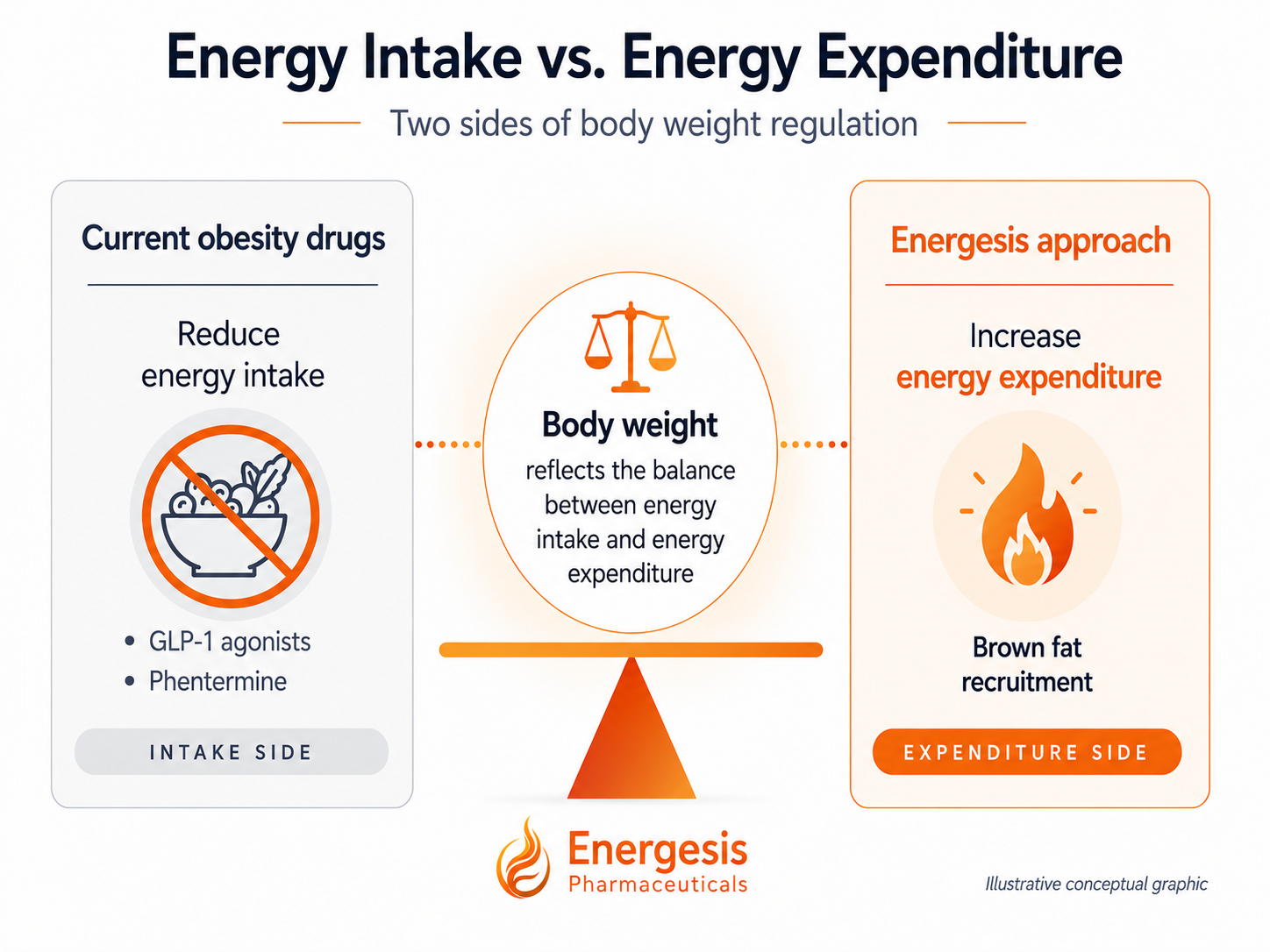
Most obesity drugs reduce energy intake; Energesis is developing drug candidates intended to increase energy expenditure.
Built Around Brown Fat
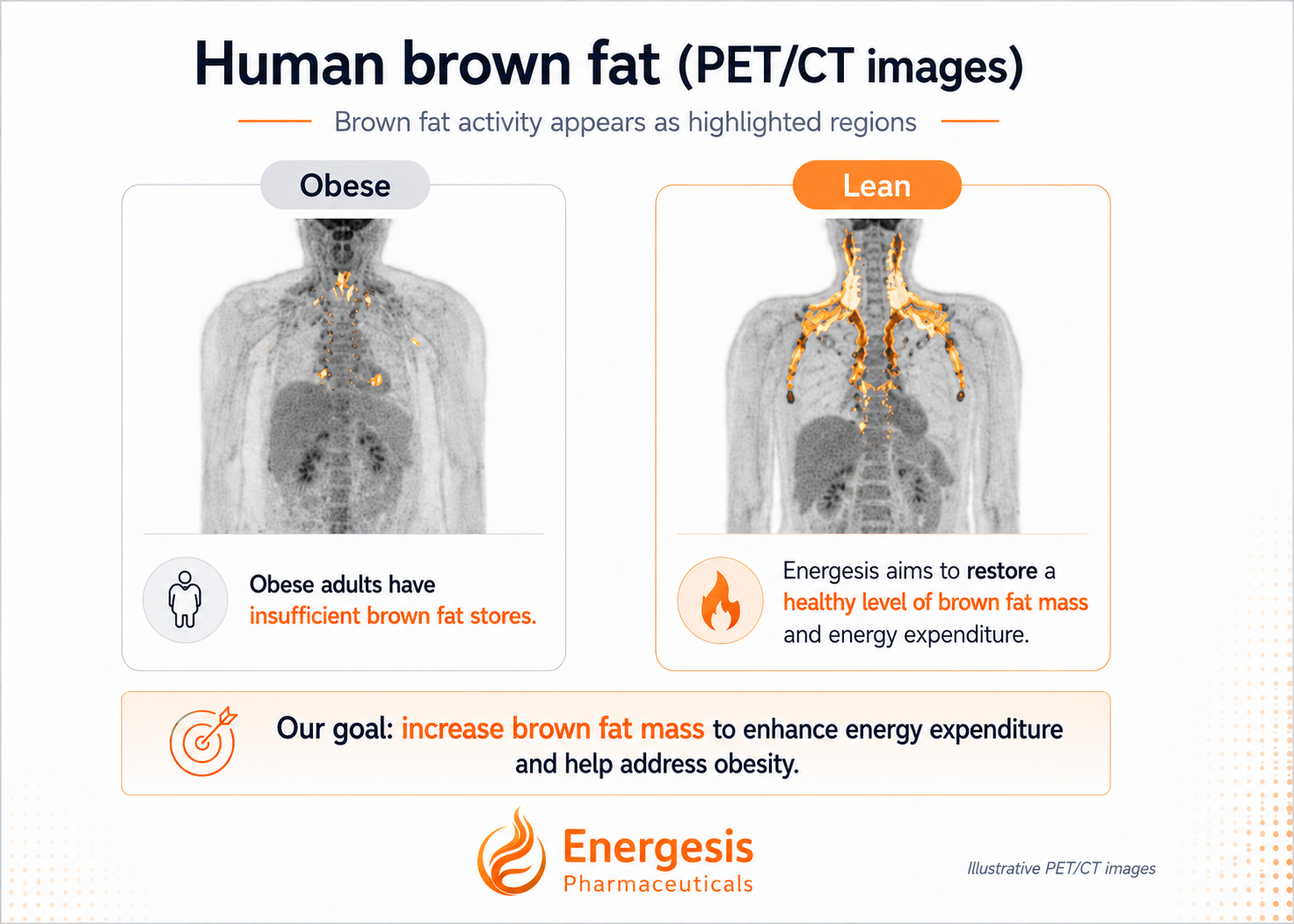
Brown fat is an energy-burning tissue that helps regulate body weight, but people with obesity generally have lower brown fat levels than lean individuals.
Human Discovery Platform
Energesis uses adult human brown adipocyte stem/progenitor cells to discover compounds and targets that promote new brown fat formation.
Lead Oral Candidate
EGS-2632 is a proprietary oral combination of two previously approved drugs being developed for obesity.
Potential GLP-1 Complement
In preclinical studies, EGS-2632 showed synergistic efficacy when combined with marketed GLP-1 agents.
Preclinical Stage
Energesis remains preclinical, and future studies are required to determine whether its findings translate into humans.
Why Better Obesity Treatments Matter
Obesity is a chronic disease that affects health, mobility, confidence, and quality of life. Although current therapies have advanced the field, many patients still face important challenges, including tolerability issues, weight regain after discontinuation, and loss of lean mass during treatment.
Energesis is pursuing a different biological strategy focused on increasing energy expenditure rather than reducing food intake.
 Better obesity treatment is about more than weight loss. It is about daily life, long-term health, and sustainable wellbeing.
A Company Built Around Obesity and Energy Metabolism
Energesis Pharmaceuticals is a Cambridge, Massachusetts-based biopharmaceutical company developing novel therapeutics for obesity and related metabolic diseases.
The company was founded by accomplished scientists and an experienced obesity drug development entrepreneur with the goal of creating therapies that address obesity through energy expenditure. Rather than entering the obesity field after recent market growth, Energesis was built from the outset around obesity and metabolic disease.
Energesis’ mission is to develop a new class of drugs that gives patients with obesity better options and improves public health. Its core focus is restoring a healthy level of brown fat mass and energy expenditure.
Energy Intake vs. Energy Expenditure
Body weight reflects a balance between energy intake and energy expenditure. Most marketed obesity drugs focus on reducing intake. Energesis is focused on the expenditure side of the body weight equation.
Tap image to enlarge.
Brown fat, or BAT, is specialized tissue that dissipates energy from sugars and fats as heat. Energesis is developing candidates intended to recruit new brown fat cells and restore a healthier level of energy expenditure.
Human Brown Fat Activity
Brown fat activity can be visualized in PET/CT images as highlighted regions. By restoring a healthy level of brown fat and energy expenditure in obese individuals, Energesis is intending to promote normal weight and metabolic function.
Importantly, Energesis' approach to brown fat is novel. In contrast to prior attempts to activate the limited brown fat that may already exist, the company's product candidates are designed to create more brown adipocytes from adult human progenitor cells.
Tap image to enlarge.
Proprietary Human Brown Fat Discovery Platform
Energesis was founded around the discovery by its scientific founders of human brown fat stem/progenitor cells. These primary cells can be massively expanded and used in drug discovery. When triggered to develop, they become brown fat cells with the RNA expression, protein expression, appearance, and mitochondrial respiration characteristics of human brown fat.
Energesis built a proprietary discovery platform to identify compounds capable of triggering these progenitor cells to become brown fat cells. The company has used the platform to screen compound libraries, including previously approved drugs, to identify brown adipogenic activity.
Human Cell System
Based on adult human brown adipocyte progenitor cells.
Drug Discovery Engine
Designed to identify compounds and targets that can promote brown fat formation.
Protected Pipeline
Patent filings cover the platform, EGS-2632, and earlier-stage compounds.
EGS-2632: A Proprietary Oral Combination Candidate
EGS-2632 is Energesis’ lead product candidate. It is a proprietary oral combination of two previously approved drugs being developed for obesity.
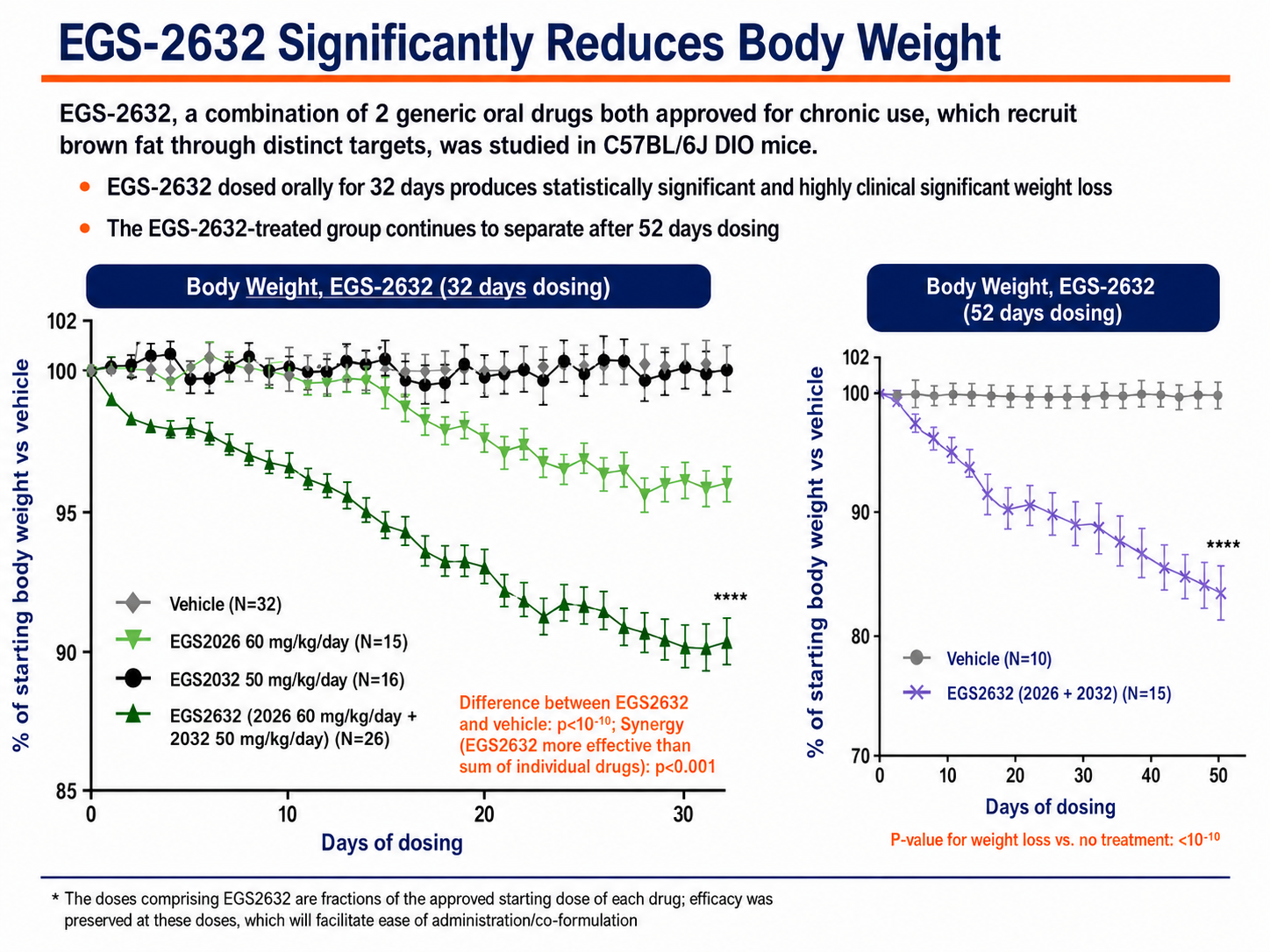
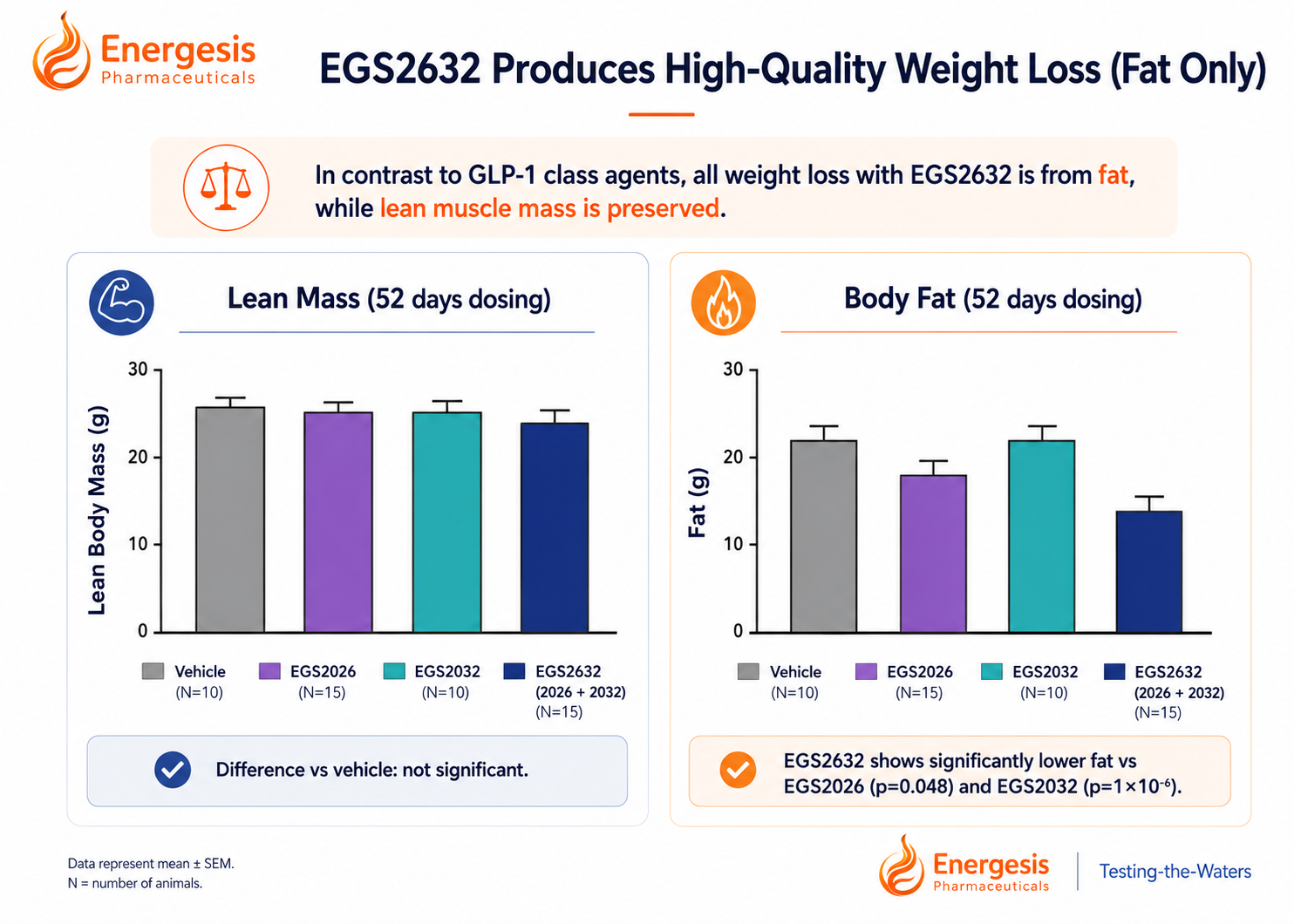
In studies using the workhorse small animal model of obesity, the Diet-Induce Obese mouse, EGS-2632 produced statistically and clinically significant body weight reduction. This weight loss comes entirely from fat, with complete preservation of lean mass.
Tap image to enlarge.
Preclinical data note: Animal data may not translate to human efficacy or safety. Additional studies are required.
Tap image to enlarge.
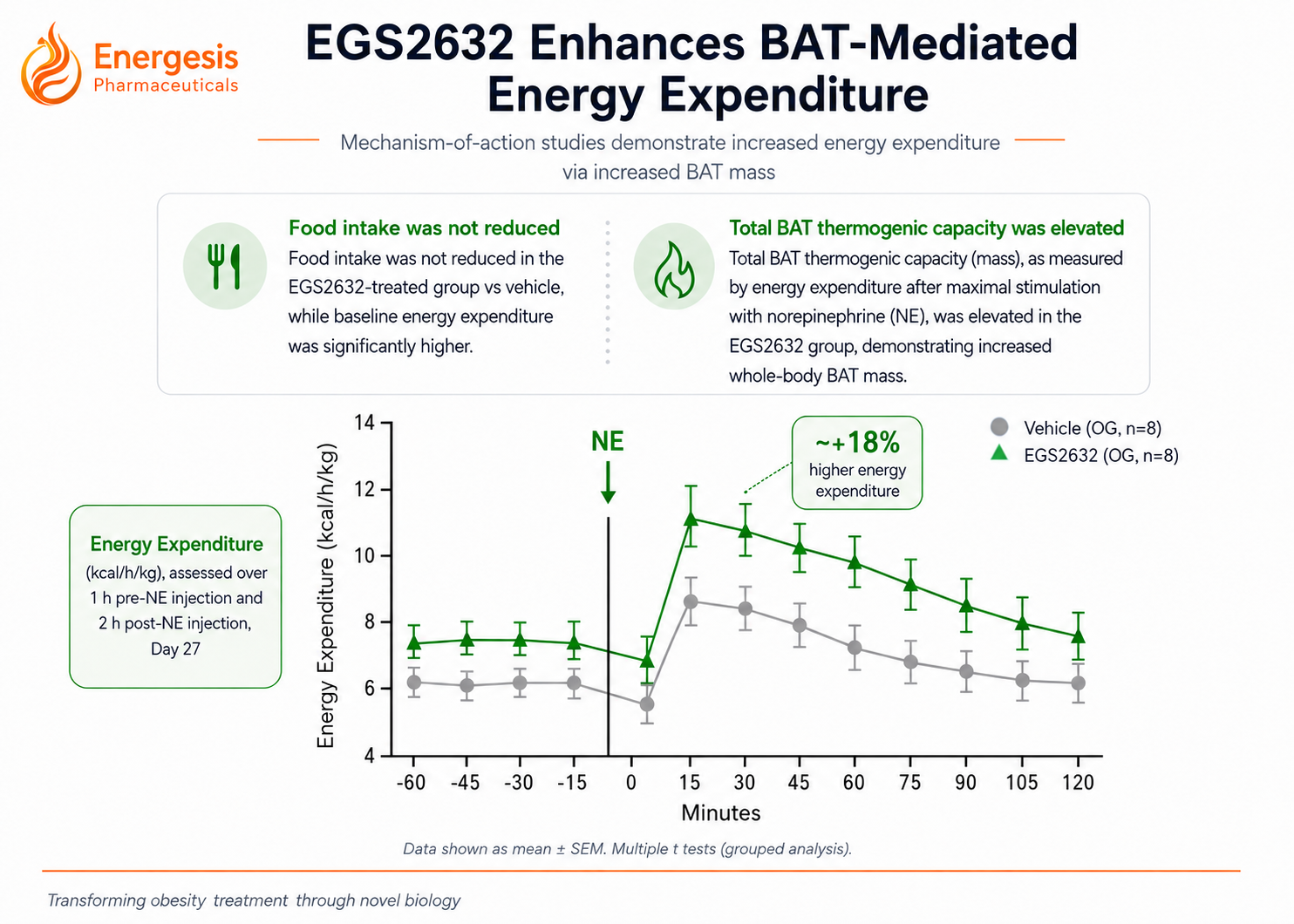
Increasing Energy Expenditure Through BAT
Energesis’ preclinical mechanism-of-action studies show that EGS-2632 increases energy expenditure through increased brown fat mass.
Tap image to enlarge.
Potential Complement to GLP-1 Therapies
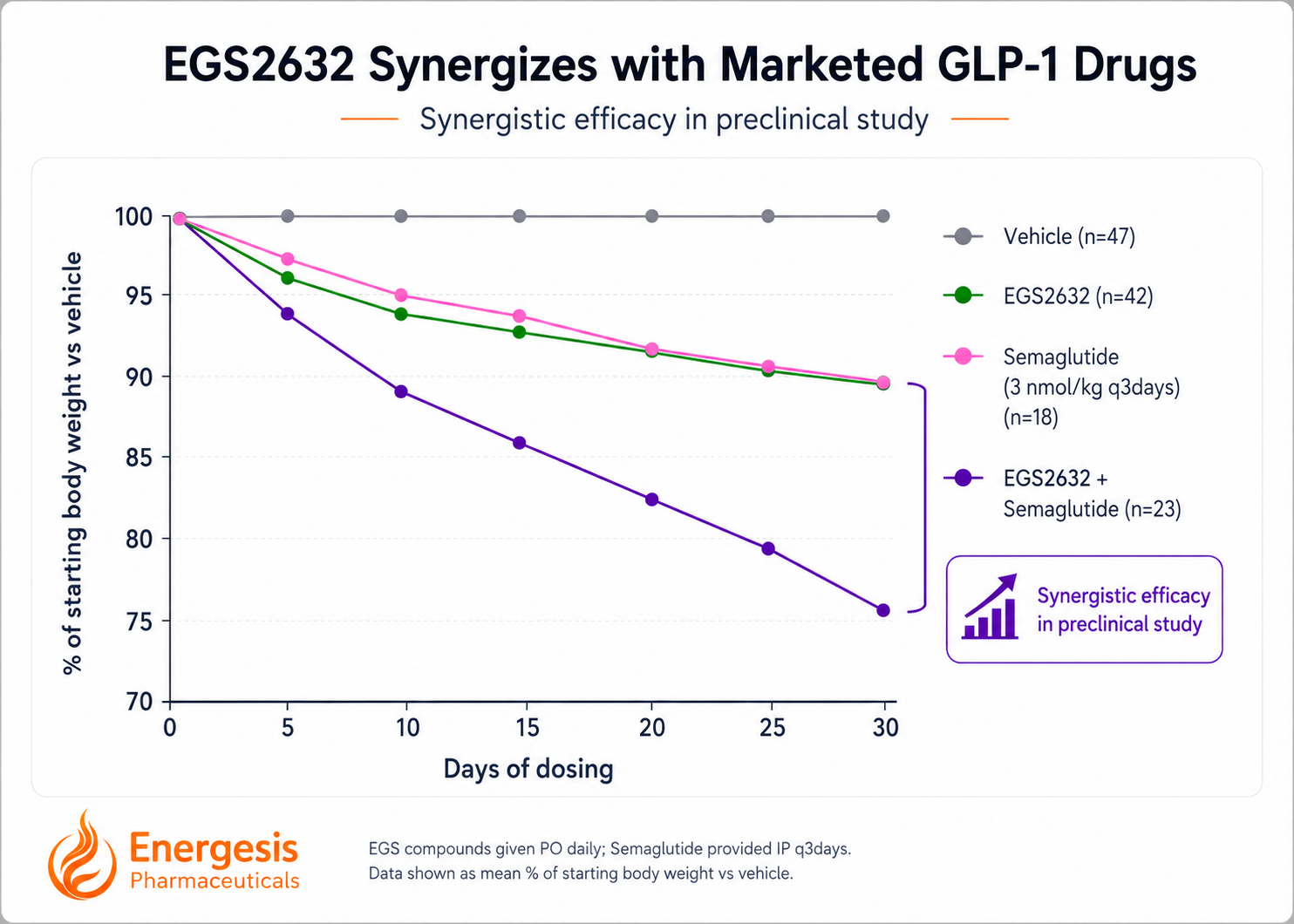
We do not view GLP-1 drugs as competitive. Because GLP-1s act on energy intake, an energy expenditure therapy could potentially be used as an adjunctive or sequential treatment strategy.
In preclinical studies, EGS-2632 showed synergistic efficacy when combined with marketed GLP-1 agents. We believe this may support future development as a combination approach, dose-sparing strategy, or maintenance option.
Tap image to enlarge.
“I think that Energesis is developing a treatment for obesity that would approach the problem in a new way. By increasing metabolic rate, it could certainly cause weight loss without muscle wasting. It could also complement any of the drugs approved by the FDA for obesity. All the presently FDA-approved products are predicated on reducing appetite to treat the disease. All drugs that reduce appetite decrease metabolic rate, which sets the stage for weight regain if the medications are dose-reduced or discontinued. While still early, it’s potentially an elegant solution.”
— Frank Greenway, MD, Chief Medical Officer and Professor, Pennington Biomedical Research Center; Energesis Scientific Advisory Board
 The goal is not just weight loss, but meaningful, sustainable patient benefit.
Beyond Appetite Suppression
We believe the future of obesity care may require therapies that do more than suppress appetite. By targeting brown fat recruitment and energy expenditure, we are pursuing an approach that may support fat-selective weight loss, preserve lean mass, and potentially work alongside GLP-1 therapies.
- Oral lead candidate strategy
- Designed to increase energy expenditure without reducing food intake
- Potential to preserve lean mass based on preclinical studies
- Potential adjunctive use with GLP-1 therapies
- Small molecule approach with straightforward manufacturing potential
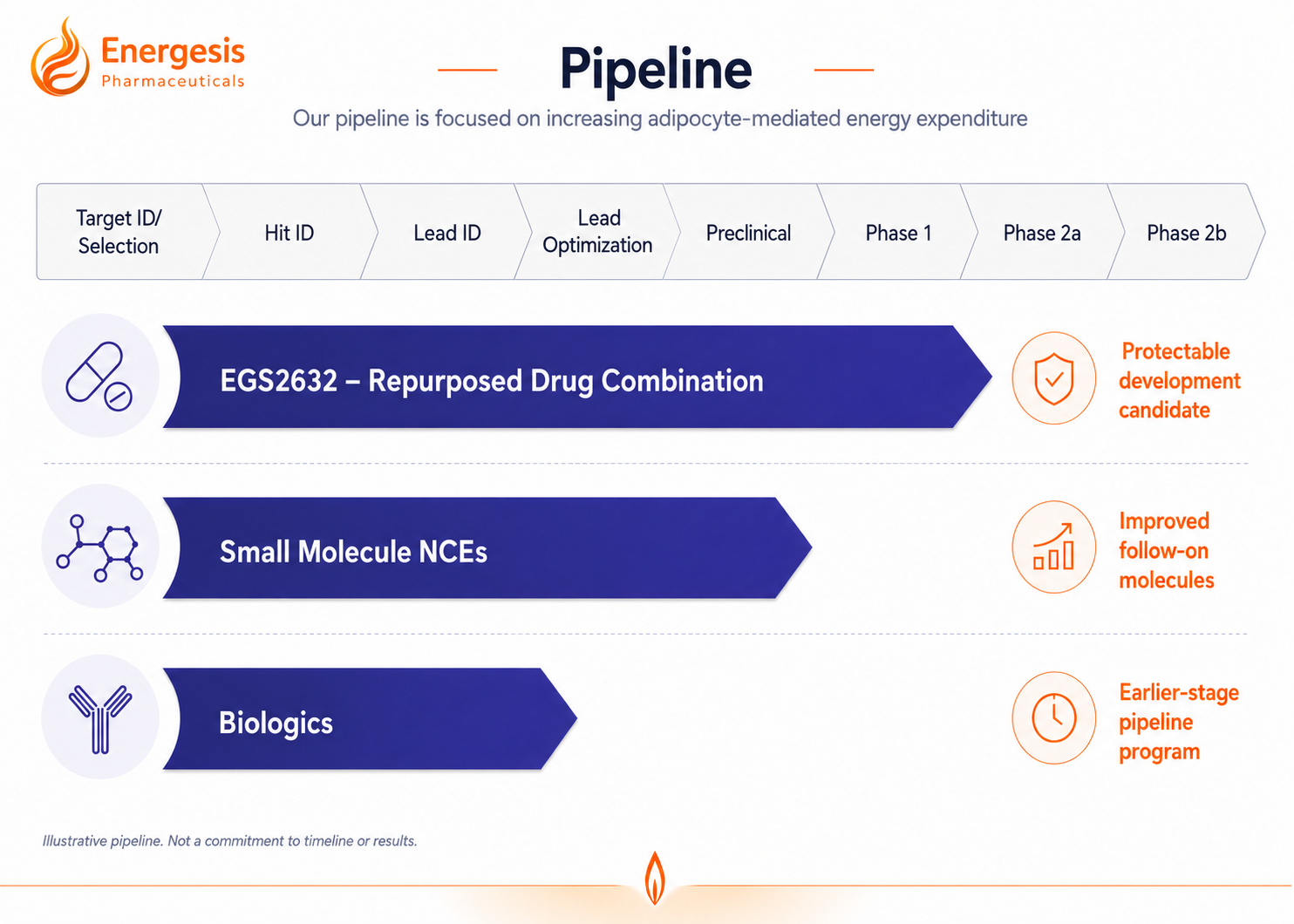
Programs Centered on Adipocyte-Mediated Energy Expenditure
Energesis’ pipeline includes a repurposed drug combination, follow-on small molecule candidates, and earlier-stage biologics.
Tap image to enlarge.
EGS-2632
Repurposed drug combination and lead development candidate.
Small Molecule NCEs
Follow-on novel compounds intended to build on the company’s platform and target work.
Biologics
Earlier-stage programs focused on adipocyte-mediated energy expenditure.
“After years of stagnation, we are now experiencing enormous success in the pharmacological management of obesity based on GLP-1 drugs. However, while the efficacy of these anti-obesity medications is better than anything that came before them, there are growing concerns about the quality of the weight loss and the associated decrease in metabolic rate, which seems disproportionate in relationship to the weight loss. Therefore, the addition of medication protecting against a drop in energy expenditure would be most welcome.”
— Eric Ravussin, PhD, Boyd Professor, Director of the Nutrition Obesity Research Center, and Douglas L. Gordon Chair in Diabetes and Metabolism at Pennington Biomedical Research Center; Energesis Scientific Advisory Board
Planned Path Toward Human Translation
We are developing our assets for obesity. With proceeds from a successful funding campaign, we intend to perform a validation study of EGS-2632 in obese non-human primates.
Subsequently, we plan to perform a pilot human study ex-U.S., and then incorporate this safety data into an IND submission to the FDA. We expect to partly use the 505(b)(2) pathway, which may allow reliance on prior FDA safety findings for one component, published safety literature for the second component, and targeted original clinical studies for the combination.
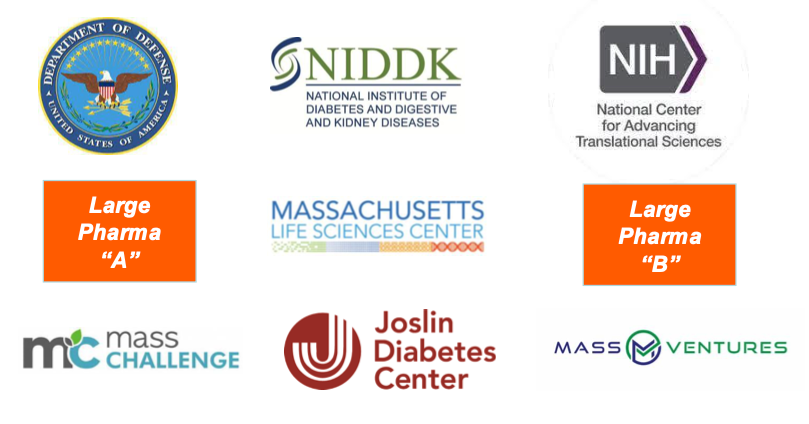
Supported by Funding Agencies, Research Partners, and Industry Collaborators
Energesis has received support from multiple non-dilutive funding sources, research organizations, and strategic partners.
Tap image to enlarge.
Nearly $9.6M
We have raised nearly $9.6 million in non-dilutive funding.
Peer-Reviewed Grants
Our grant support includes funding from NIH, the U.S. Army, and the Commonwealth of Massachusetts.
Strategic Interest
We have completed two early-stage paid research partnerships with large global pharmaceutical companies, generating approximately $200,000 in revenue.
Logos and partner references should be used only to describe prior support, funding, or collaboration, and should not imply endorsement of any securities offering.
A Large and Evolving Obesity Therapeutics Market
Obesity is one of the largest therapeutic opportunities in biopharmaceutical development. Energesis believes the most likely initial commercial use case for its lead program would be adjunctive therapy with GLP-1 drugs.
The company believes future obesity treatment may resemble other complex disease areas, where patients are treated with combinations of agents that have distinct mechanisms of action.
Combination Therapy
Potential use alongside GLP-1 therapies to improve total weight loss or support fat-selective outcomes.
Maintenance Therapy
Potential long-term oral strategy after initial weight loss to support maintenance and prevent weight regain.
GLP-1 Intolerant Patients
Potential future relevance for patients who cannot tolerate or remain on incretin therapies.
Planned Priorities for Future Funding
If we proceed with a future Regulation Crowdfunding offering, our first priority will be a validation study of EGS-2632 in obese non-human primates.
We also expect to use proceeds to advance our follow-on novel compound program toward clinical candidate selection. With additional funding, the selected compound could then enter IND-enabling studies supporting future Phase 1 clinical trials.
We expect nearly all proceeds to support research and development activities, with a small portion used to enhance our intellectual property portfolio.
Experienced Leadership Across Obesity, Metabolism, Biotech, and Company Building
Energesis’ leadership, directors, and scientific advisors bring experience in obesity drug development, energy metabolism, biotechnology company formation, public markets, acquisitions, clinical research, and metabolic disease.


Brian Freeman, MD
Chief Executive Officer & President, Co-Founder & Director
Dr. Freeman is an entrepreneur, physician, and co-founder of Energesis. He previously co-founded Zafgen, a venture-backed company that pioneered the development of MetAP2 inhibitors for obesity, raised more than $100 million in venture capital, and became publicly traded in 2014. He also has biopharmaceutical management consulting experience from SVB Leerink, where he advised pharmaceutical and biotechnology companies on strategic acquisitions, in-licensing, pipeline prioritization, and clinical development. Dr. Freeman is board-certified in neurology, trained at the University of Pennsylvania, earned his MD and master’s degree in molecular cell biology from Washington University in St. Louis, and completed his undergraduate studies at MIT.

Olivier Boss, PhD
Chief Scientific Officer, Co-Founder & Director
Dr. Boss is a recognized expert in energy metabolism and mitochondria. Before Energesis, he held R&D roles at Sirtris, Adipogenix, and Novartis, where he led work in diabetes, obesity, and mitochondrial bioenergetics. Dr. Boss discovered the first non-brown adipose mitochondrial uncoupling proteins UCP2 and UCP3 and helped establish Energesis’ screening platform based on newly discovered brown adipocyte progenitor cells in skeletal muscle. He has authored more than 50 peer-reviewed publications, edited a book on pharmacotherapy of obesity, and holds issued and pending patents.
Mitch Sayare, PhD
Director
Dr. Sayare founded and served as Chairman and Chief Executive Officer of ImmunoGen, a biotechnology company focused on antibody-drug conjugates for cancer therapy that was later acquired by AbbVie. During his tenure, he led a successful IPO and raised more than $300 million in venture capital and public equity financing. He currently serves on the board of Advanced Aesthetic Technologies and as Chairman of Altimmune, a public company developing next-generation incretin agonists for obesity.
Todd Zion, PhD
Director
Dr. Zion is co-founder, President, and CEO of Akston Biosciences Corporation. He previously founded SmartCells to develop SmartInsulin, the world’s first glucose-regulated insulin for treating diabetes. SmartCells was acquired by Merck in 2010 for $500 million.
Ed Cannon, PhD
Director
Dr. Cannon is founder, President, and CEO of NovAb, Inc. He previously served in senior leadership roles at Unigen Pharmaceuticals, AerovectRx, AdipoGenix, Elixir Pharmaceuticals, Dyax Corp, and Hygeia Sciences. He has also served as a director at SmartCells, Akston Biosciences, and Diamune Therapeutics.
Eric Ravussin, PhD
Scientific Advisory Board
Dr. Ravussin is the Boyd Professor, Director of the Nutrition Obesity Research Center, and Douglas L. Gordon Chair in Diabetes and Metabolism at Pennington Biomedical Research Center. He is a leading expert in translational research in obesity and type 2 diabetes, with more than 450 peer-reviewed publications and decades of research experience in energy expenditure, body composition, insulin sensitivity, and metabolic health.
Frank Greenway, MD
Scientific Advisory Board
Dr. Greenway is Chief Medical Officer and Professor at Pennington Biomedical Research Center. As an endocrinologist and clinical researcher, he has served as principal investigator on numerous clinical trials sponsored by industry and the National Institutes of Health. He has contributed to the development of essentially all approved obesity drugs developed since the 1970s, has published more than 250 articles, and holds several patents.
Jean-Paul Giacobino, MD, PhD
Scientific Advisory Board & Co-Founder
Dr. Giacobino is Professor Emeritus of Medical Biochemistry at the University of Geneva Medical School. He is an expert in white and brown adipose tissue, endocrine disorders, and obesity. He has published more than 100 peer-reviewed manuscripts and co-discovered brown adipose tissue progenitor cells in skeletal muscle, as well as thermogenic mitochondrial uncoupling proteins UCP2 and UCP3.
Initial Terms
Energesis is targeting a raise of up to $1 million through a CrowdSAFE, with terms set at the better of a $13 million to $15 million valuation cap or a 20% discount to the company's next qualified financing.
Abbreviations
BAT — Brown Adipose Tissue DIO — Diet-Induced Obesity (mouse model) FTO — Fat Mass and Obesity-Associated gene G&A — General & Administrative GLP-1 — Glucagon-Like Peptide-1 IND — Investigational New Drug IP — Intellectual Property NCE — Novel Chemical Entity NE — Norepinephrine NHP — Non-Human Primate PET/CT — Positron Emission Tomography / Computed Tomography PPARγ2 — Peroxisome Proliferator-Activated Receptor Gamma 2 UCP1 — Uncoupling Protein 1 UCP2 / UCP3 — Uncoupling Proteins 2 and 3
Important Disclosure: This page is for Testing the Waters only. No money or other consideration is being solicited, and if sent in response, will not be accepted. No offer to buy securities can be accepted and no part of the purchase price can be received until an offering statement is filed and only through BioTech Funding Portal. Any indication of interest involves no obligation or commitment of any kind.
Company descriptions, scientific explanations, pipeline graphics, and preclinical data summaries are based on issuer-provided information and are intended for informational purposes only. Preclinical results may not translate into human safety or efficacy. Energesis’ product candidates have not been approved by FDA for the treatment of obesity or any other condition.
This page is not medical, legal, tax, financial, or investment advice. Prospective investors should review any future offering materials carefully and consult their own advisors before making any investment decision.
Q&A

Proposed Raise: $1M (CrowdSAFE: Better of $13M-$15M cap or 20% discount)
We are considering a capital raise and are “Testing the Waters” under Regulation Crowdfunding. No money or other consideration is being solicited, and any that is sent in response will not be accepted. We cannot accept any offer to buy securities, and no part of the purchase price can be received, until the offering statement is filed and only through the BioTech Funding Portal. Submitting an indication of interest via the “Express Interest” button on this page involves no obligation or commitment of any kind.